



What to clean
Any equipment or personnel that move in or out of fields, especially those that accumulate a lot of soil and plant debris, can spread broomrape and/or other pests and pathogens.
Where to clean
It is recommended that equipment cleaning be done in controlled and designated areas within the field and that this area be used repeatedly. This area should not be on field roads or driveways where equipment could easily get contaminated with soil deposited during previous cleaning operations. Because removed debris could contain broomrape seed, this cleaning area will be at higher risk for broomrape emergence in subsequent years and should be closely monitored.
Cleaning steps
Remove loose debris
This is the most important step in the cleaning process and cannot be replaced with sanitizer use alone. Research has shown that QAC efficacy is greatly reduced in the presence of soil and plant debris due to sanitizer deactivation.
- Soil and plant debris should be removed from all equipment using compressed air, scrapers, and pressure washers.
- Any plant or soil debris has some risk of containing broomrape seed and/or other weeds seeds or pathogens of concern.
Pressure wash
Use a targeted pressure wash to remove fine debris, caked-on plant and soil materials, and greasy areas that can harbor seed and pathogens and also deactivate sanitizers.
- Pay particular attention to the areas that accumulate a lot of debris and/or are difficult to access. (e.g. axles and frame members, suction fan, fan duct, and chipper are all areas that accumulate a lot of debris and are hard to access and clean).
- Pay particular attention to the areas that accumulate a lot of debris and/or are difficult to access. (e.g. axles and frame members, suction fan, fan duct, and chipper are all areas that accumulate a lot of debris and are hard to access and clean).
Sanitize
AFTER removing debris with compressed air, scrapers, and pressure washing, apply chemical sanitizers which are proven to kill broomrape seed.
- Quaternary ammonium (QAC), is the sanitizer known to kill broomrape seed.
- Locally, this can be bought under the labels: Clorox Pro Quaternary, Chem quat, FloSan or MG 4-Quat.
- A solution of at least 1% v/v is necessary for efficacy and should be used to thoroughly wet all parts of the equipment after soil and plant debris has been removed.
- UC studies evaluating 1%, 4%, and 8% QAC solutions found that efficacy generally increased at higher concentrations when soil loads were low. However, packed, caked, or thick mud cannot be overcome with higher concentrations of QAC.
Apply sanitizers to surfaces that are still wet from pressure washing or rewet the surfaces before sanitizing to increase contact time and improve efficacy.
- Quaternary ammonium (QAC), is the sanitizer known to kill broomrape seed.
Do not rinse
To provide maximum activity on seed or pathogens, washed and sanitized equipment should be left to dry, not rinsed with water or other cleaning agents.
- There is some evidence that applying sanitizers in foam may improve efficacy due to increased residence time before drying or runoff.
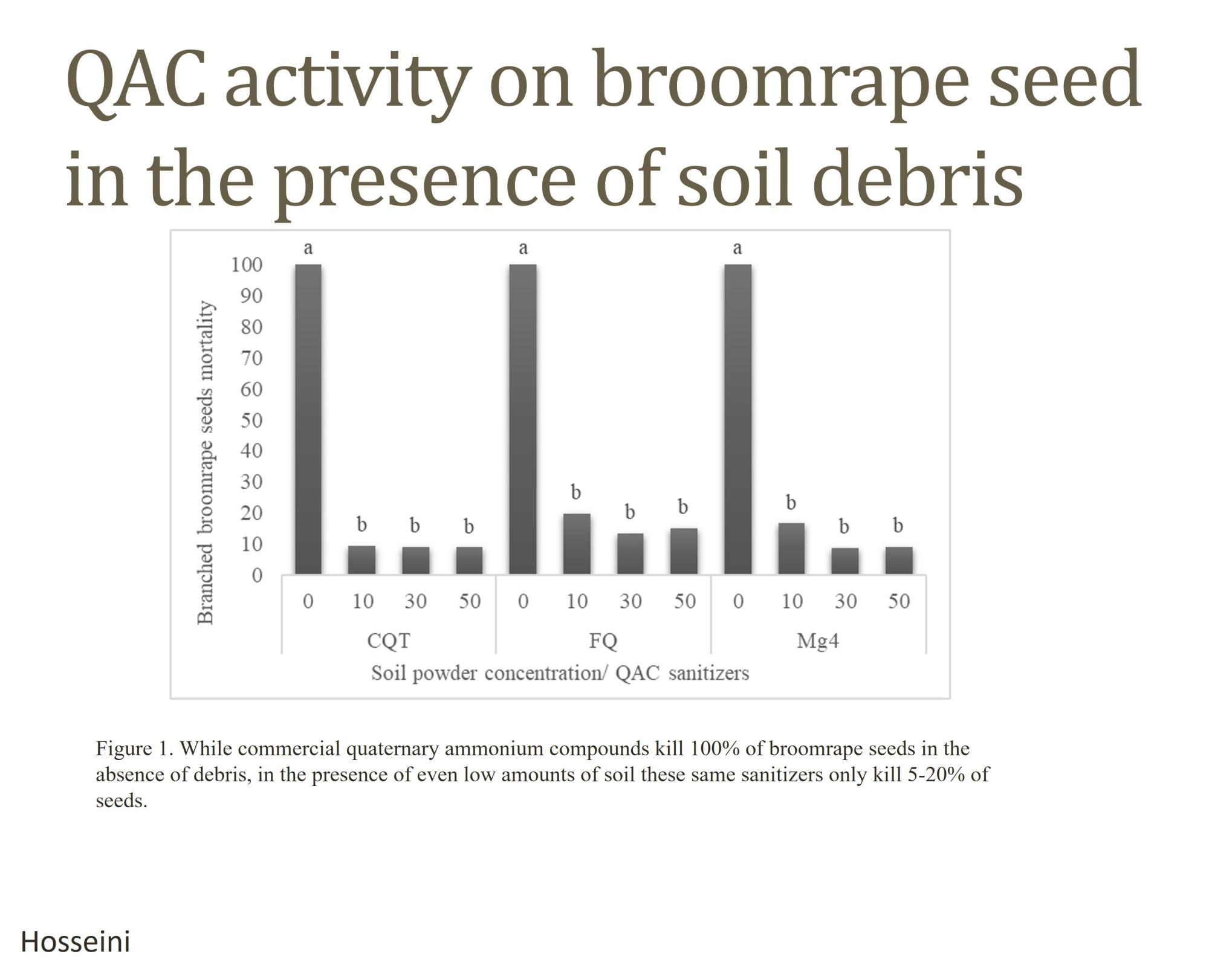

Figure 2: Controlled studies showing QAC compounds reduced microbe propagule loads by 97%