




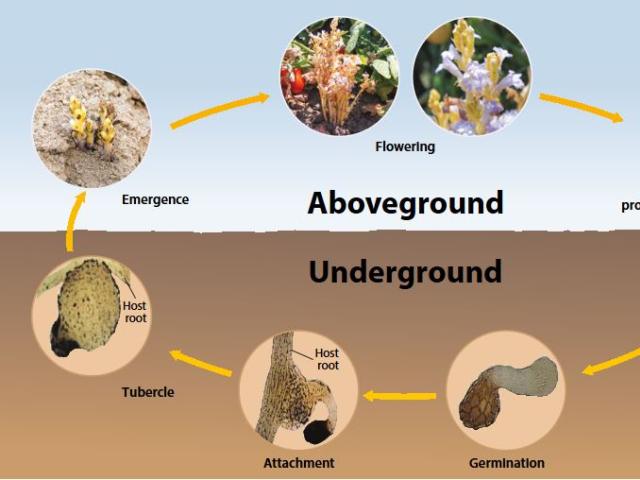
Broomrapes, such as branched broomrape (Phelipanche ramosa) and Egyptian broomrape (Phelipanche aegyptiaca), are parasitic plants that attack a broad range of high-value broadleaf crops — including tomato, cabbage, potato, eggplant, carrot, pepper, beans, celery, peanut, and sunflower. The re-emergence of branched broomrape, and to a lesser extent Egyptian broomrape in Central Valley production areas poses a severe risk to crop productivity and to the state’s processing-tomato sector, which is valued at roughly $1 billion. Tomatoes are especially vulnerable, making effective detection and rapid, science-based management essential to protect both farm incomes and regional supply chains.
Broomrape in California website is a resource from UC Davis that translates active research into practical, field-ready solutions for growers, packers, processors, advisors, and regulators. Our aim is to close the gap between regulatory “performative” requirements (what the rule says must be achieved) and the prescriptive, operational steps needed to meet them in the field. For example, when a regulation requires equipment sanitation, this site supplies actionable protocols, e.g., validated stepwise procedures, recommended products and rates, and operational sequencing, so that compliance is measurable, repeatable, and effective.
For several years, a growing number of UC researchers and collaborators have been engaged in research on broomrape’s biology, detection protocols, herbicide programs, resistant genetics, cultural practices, and regulatory compliance guidance to help California growers safeguard crops and sustain the processing tomato industry. This research has been funded by growers via the California Tomato Research Institute and other state agricultural organizations, state and federal grant funding, and supported by growers and other stakeholders.
Other Resources
- The CDFA Broomrape Board's page contain information related to the regulatory and governmental response to the weed threat, including official reports and regulations.
- The CTRI Broomrape Resources page is specifically focused on management resources and research updates directly relevant to processing tomato growers in California.
Funding Agencies
- California Tomato Research Institute
- CDFA–Specialty Crop Block Grant
- USDA–Methyl Bromide Transition Program
- California Department of Pesticide Regulation