

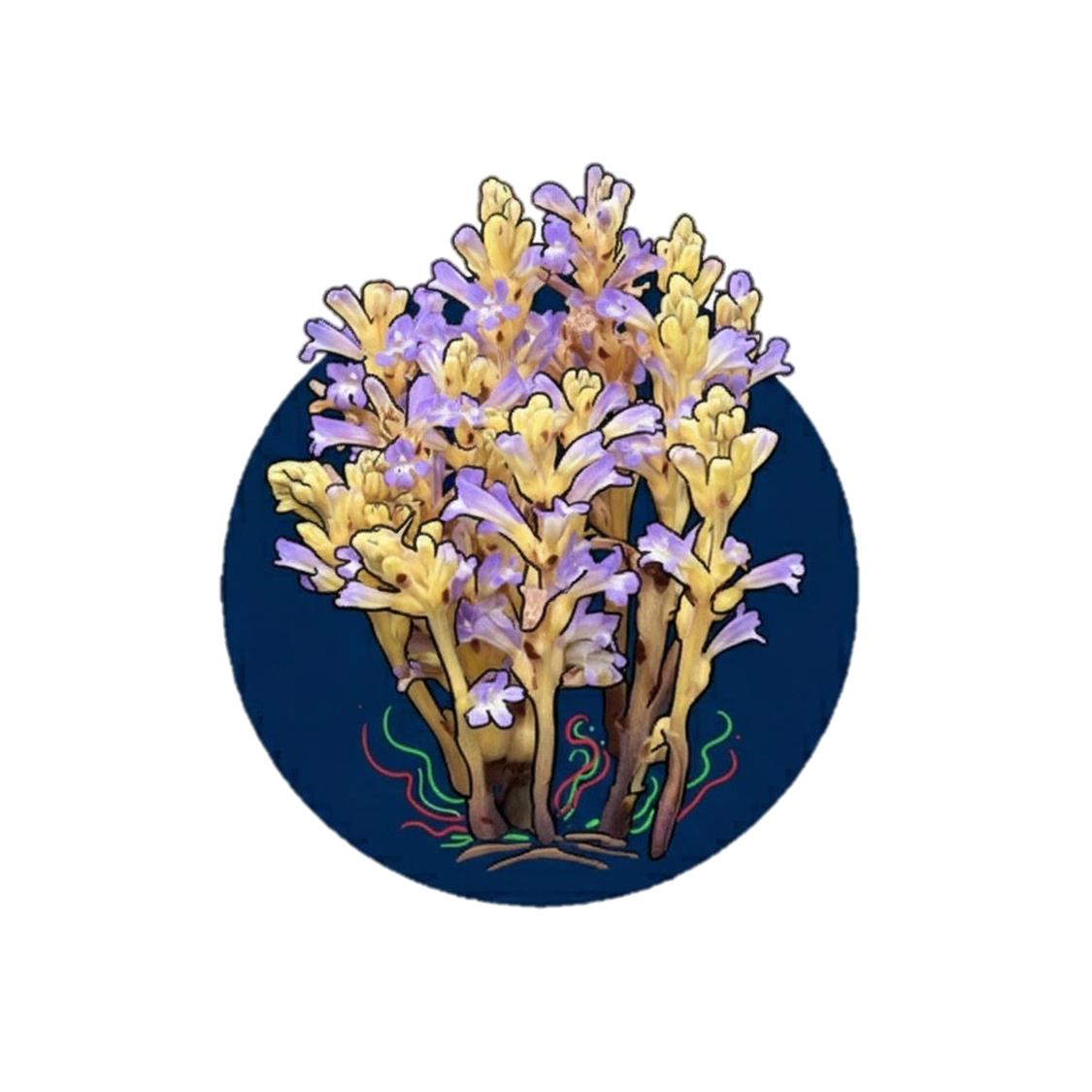

As a UC Cooperative Extension Weed Specialist, Dr. Hanson is spearheading a multi-disciplinary research effort to manage branched broomrape in California-grown processing tomatoes. Our program is dedicated to developing integrated, science-based solutions to manage branched broomrape in California-grown processing tomatoes. By combining field innovation, controlled experimentation, and long-term seedbank management strategies, we aim to deliver practical tools for growers while supporting sustainable production under quarantine constraints.
Field Research
Field studies drive the practical core of the program, where we refine rimsulfuron-based herbicide programs, optimize chemigation sequences, evaluate complementary tools application timings and generate data to support their registration in California-grown processing tomatoes. Large-scale grower demonstrations validate small-plot results under commercial irrigation systems and real-world pressures. Field trials also integrate multiple tactics into stacked programs that target broomrape emergence, reduce seed return, and protect yield. Containment approaches such as hand-weeding and localized heat treatments provide immediate mitigation strategies when infestations are detected. These efforts ensure that research outputs can be rapidly translated into best management practices across California tomato systems.
Greenhouse and Laboratory Research
Greenhouse trials allow the team to measure broomrape germination, attachment, and herbicide activity under controlled conditions, improving understanding of timing and crop safety. Within the UC Contained Research Facility, seedbank studies on dormancy, viability, and germination cues provide insight into the parasite’s biology, guiding more precise intervention points. Laboratory work further supports sanitation protocols, evaluating cleaning agents and heat methods for preventing seed movement on equipment. Early-stage projects are also exploring trap and catch crops, as well as synthetic germination stimulants, to drive “suicide germination” and reduce long-term seed persistence. Together, these platforms create a bridge between fundamental biology and applied management tools for growers.

Research Team and Expertise
- Brad Hanson (PI)
- Pershang Hosseini (Postdoctoral Researcher): Sanitation Protocols, Phenology modeling.
- Rohith Vulchi (Postdoctoral Researcher): Field chemigation and variety testing.
- Tong Zhen (PhD Student): Non-herbicidal strategies for broomrape management
- Arpan Bhusal (MS Student): Maleic Hydrazide Programs
- Ni Tang (Intern)
Former Teammates
- Matt Fatino (Former Postdoctoral Researcher): Chemigation Optimization
- Magdalene Burgess (Intern)